Blog

  • SVR 3L Rubber Production Process

    SVR 3L Rubber Production Process

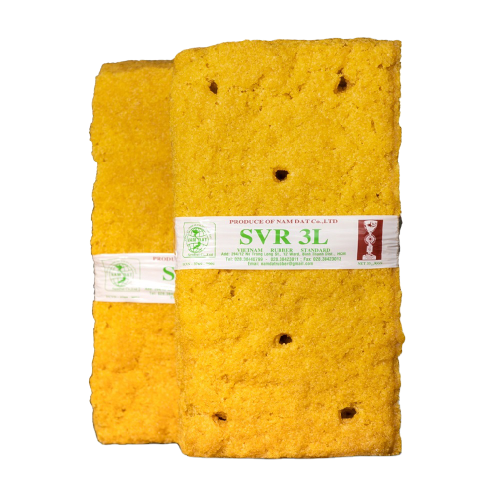
    SVR 3L rubber is produced entirely from latex harvested from trees according to Vietnam’s standard (TCVN 3769). The latex is preserved using ammonia or sodium sulfite. Subsequently, the latex is processed through stages of dilution, coagulation, crepe-rolling, granulation, drying and packing.

    The 3L grade requires Lovibond color index ≤ 6 and meets all chemical and physical specifications including ash content, dirt retention, plasticity (P0 ≥ 35) and PRI ≥ 60.
  • What Are The Standards Of Exported Wooden Pallets?

    What Are The Standards Of Exported Wooden Pallets?

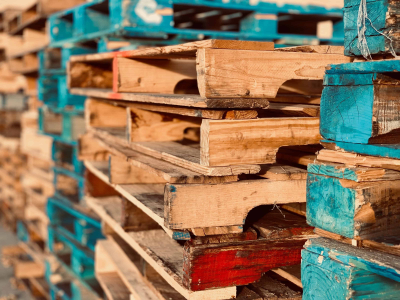
    The standard for export wooden pallets encompasses regulations regarding dimensions, as well as the quality and durability of the wooden pallets used for transporting goods across borders. Wooden pallets are specialized products commonly used for exporting goods. Users also need standards to select wood material.

    The material used to construct export wooden pallets needs to be carefully chosen and handled. In reality, not every type of wood can be used; primarily, this will use pine wood because it can meet the criteria of durability and sturdiness. Additionally, pine wood is less prone to issues such as termite infestation compared to other types of wood. Furthermore, the light-colored grain of pine wood will enhance the visual appeal and perceived quality of wooden pallets. Moreover, pine wood has good water resistance after kiln-drying and heat treatment per ISPM 15.

  • What Is SVR 10 Rubber?

    What Is SVR 10 Rubber?

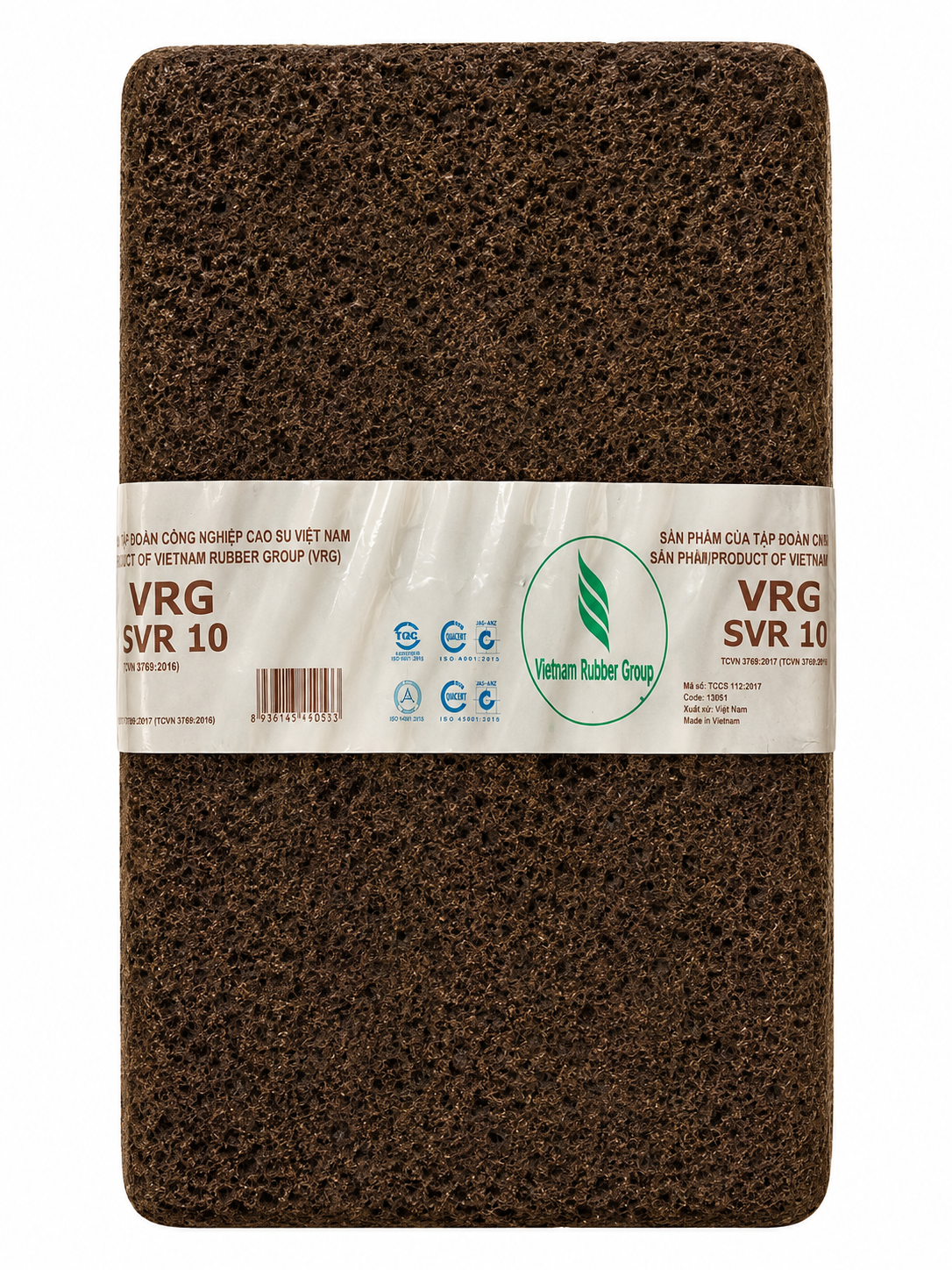
    SVR 10 (TSR 10) rubber is a technical-grade rubber, produced in granular form, derived from coagulated latex and field latex. As a result, its characteristics differ from latex-derived grades like SVR 3L: SVR 10 has higher dirt content tolerance and is suited to industrial applications such as tires, conveyor belts, and rubber technical parts.

    SVR 10 conforms to TCVN 3769 with Lovibond color index ≤ 16 and dirt content ≤ 0.08%. It is one of Vietnam’s most widely produced and exported rubber grades.

  • Top 2 Common Standards Used In Wooden Pallet Export — ISPM 15 & Heat Treatment

    Top 2 Common Standards Used In Wooden Pallet Export — ISPM 15 & Heat Treatment

    ISPM-15, also known as the International Standard for Phytosanitary Measures No. 15, regulates wood packaging material in international trade. Pallets must be either heat-treated (HT) or fumigated with methyl bromide (MB) to eliminate pest risk before crossing borders.

    The two most common compliance methods:

    • Heat Treatment (HT): wood heated to a core temperature of 56°C for at least 30 minutes.
    • Methyl Bromide (MB): chemical fumigation — being phased out in many regions in favor of HT.

    All Modan-supplied pallets carry the IPPC stamp confirming ISPM 15 compliance.